Source Diesel Engine Piston for Generators, Trucks, and Marine
Compare 30 listings for diesel engine piston components from verified suppliers. Buyers can evaluate specifications, materials, and pricing for use in generators, trucks, and marine applications. Explore options including aluminum and iron models with various certifications like CE and ISO to find the right fit for your specific industrial needs today.
Key considerations
Products List


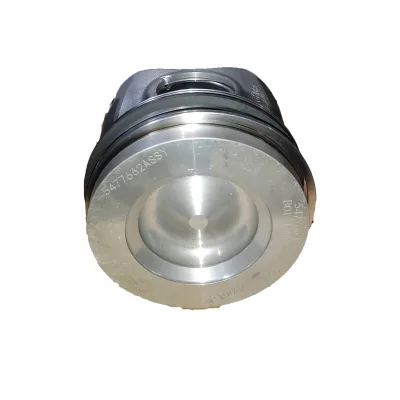


Comprehensive Sourcing Guide
Diesel Engine Piston Sourcing Guide
Sourcing diesel engine pistons requires a disciplined approach to align component specifications with engine model compatibility and operational demands. Buyers must navigate a market where materials range from aluminum to iron, each offering distinct thermal and mechanical properties. The observed listings indicate a wide variety of models, including S195, RJ170F, EM190, and R170A, suggesting that generic sourcing strategies often fail without precise model matching. Procurement teams should prioritize verifying the exact engine architecture before initiating orders, as piston geometry is highly specific to the combustion chamber design.
Technical verification extends beyond simple model numbers to include manufacturing techniques and surface treatments. Casting is a noted production method in current listings, which influences the internal grain structure and durability of the component. Buyers should assess whether the casting process meets the stress requirements of their specific diesel application, whether it be land use, marine, or trailer types. Understanding the distinction between standard and non-standard components is crucial, as misidentification can lead to catastrophic engine failure.
Product Scope and Observed Listing Signals
The current market for diesel engine pistons exhibits significant diversity in origin and packaging standards. Listings reveal origins in Zhejiang, Henan, and Beijing, indicating a fragmented supply chain across China. Packaging varies from anti-tarnish paper and cartons to wooden boxes and original export packages, reflecting different supplier maturity levels. Buyers should evaluate packaging integrity as a proxy for supplier attention to detail, especially for high-precision components like pistons that require protection against corrosion and physical damage during transit.
Price and minimum order quantity (MOQ) ranges further illustrate market variability. Observed prices span from $1 to over $700, while MOQs range from single units to 500 pieces. This disparity suggests that buyers can access both prototype-level single units and bulk industrial supplies. However, the wide price range necessitates careful comparison of included services, such as customization options and warranty terms. Procurement teams should not assume that lower prices equate to better value without verifying the material grade and manufacturing consistency.
Technical Specifications to Verify
Material composition is a primary technical differentiator, with aluminum and iron being the most commonly observed materials in current listings. Aluminum pistons typically offer lighter weight and better heat dissipation, while iron pistons provide greater durability under high-stress conditions. Buyers must verify the specific alloy composition and heat treatment processes to ensure the piston can withstand the thermal cycles of their diesel engine. Misalignment between material properties and engine operating conditions can lead to premature wear or seizure.
Model compatibility is equally critical, with specific designations like 12V150, 4955233, and C Series appearing in the market. These identifiers often correspond to specific engine families or manufacturer part numbers. Buyers should cross-reference these model codes with their engine’s technical manual to confirm dimensional accuracy, including skirt diameter, pin bore size, and ring groove configuration. Additionally, cooling methods, such as water cooling, and installation types, like fixed installation, must align with the engine’s overall design to ensure proper fit and function.
Compliance and Safety Documentation
Certification status serves as a key indicator of manufacturing quality and regulatory compliance. Listings frequently mention CE certification, along with ISO and TS standards, which suggest adherence to international quality management systems. Buyers should request valid certification documents to verify that the supplier’s quality control processes meet recognized standards. While certifications provide a baseline of assurance, they do not guarantee individual part quality, so supplementary verification steps are necessary.
Documentation should also include detailed material test reports and dimensional inspection certificates. These documents provide evidence that the pistons meet specified tolerances and material properties. Buyers should ensure that the supplier provides traceability for each batch, linking the physical components to their production records. This level of documentation is essential for maintaining quality control in critical applications, such as marine or emergency power units, where component failure can have severe consequences.
Cost Drivers and Commercial Terms
Customization availability is a significant factor influencing cost and lead times. Many suppliers offer customization services, allowing buyers to tailor pistons to specific engine modifications or performance requirements. However, customized orders typically incur higher costs and longer production cycles compared to standard off-the-shelf components. Buyers should evaluate whether customization is necessary for their application or if standard parts can be adapted with minor modifications to reduce expenses.
Warranty terms and return policies also impact the total cost of ownership. Some listings offer a six-month warranty, which provides a safety net against early failures. Buyers should negotiate clear warranty terms that cover manufacturing defects and material flaws. Additionally, payment terms and shipping costs should be factored into the overall budget. Understanding the commercial terms helps buyers avoid hidden costs and ensures that the procurement process remains financially predictable.
Supplier Qualification and Quality Control
Supplier qualification begins with verifying their production capabilities and quality management systems. Buyers should assess whether the supplier uses advanced casting techniques and has in-house testing facilities. The presence of specific model numbers and standards in listings suggests a degree of specialization, but buyers must confirm that the supplier can consistently produce to these specifications. Requesting samples for initial testing is a prudent step to validate quality before committing to large orders.
Quality control processes should include rigorous inspection of critical dimensions and surface finishes. Buyers should inquire about the supplier’s defect rate and corrective action procedures. A reliable supplier will have a robust system for identifying and addressing quality issues. Additionally, buyers should consider the supplier’s ability to provide consistent supply, especially for long-term procurement needs. Evaluating the supplier’s track record and customer feedback can provide insights into their reliability and responsiveness.
Long-Term Procurement Checks
Long-term procurement success depends on establishing a strong relationship with qualified suppliers. Buyers should conduct regular audits and performance reviews to ensure ongoing compliance with quality standards. Maintaining open communication with suppliers allows for timely resolution of issues and facilitates continuous improvement. Regularly updating technical specifications and requirements ensures that the supplied components remain compatible with evolving engine designs and operational needs.
Inventory management and demand forecasting are also critical for long-term procurement. Buyers should develop accurate forecasts to optimize order quantities and minimize storage costs. Collaborating with suppliers on inventory planning can help ensure timely delivery and reduce the risk of stockouts. By focusing on strategic supplier management and continuous quality improvement, buyers can secure a reliable supply of diesel engine pistons that support their operational goals.
FAQs
What materials are used for diesel engine pistons?
Diesel engine pistons are commonly manufactured from aluminum or iron. The specific material depends on the engine model and application requirements. Some products feature aluminum construction for weight reduction, while others utilize iron for durability in heavy-duty conditions.
Which certifications do diesel engine piston suppliers hold?
Suppliers often provide products certified under CE, ISO, or TSCE standards. These certifications ensure the components meet international quality and safety requirements. Buyers should verify specific certification documents for each engine model to confirm compliance with local regulations.
How can I customize diesel engine piston specifications?
Customization is available for many diesel engine piston models to meet specific engine needs. Buyers can request tailored specifications based on their engine type. This flexibility allows for precise matching with various engine models like S195 or RJ170F without compromising performance.
What is the typical MOQ for diesel engine pistons?
The minimum order quantity for diesel engine pistons ranges from one unit up to five hundred units. This flexibility accommodates both small repair orders and large industrial procurement needs. Buyers should check specific supplier listings to confirm the exact MOQ for their required model.
Where are diesel engine pistons manufactured?
These components are primarily manufactured in regions such as Zhejiang, Henan, and Beijing in China. The origin location influences shipping logistics and lead times. Buyers can select suppliers based on their preferred geographic region to optimize delivery schedules.
Can I find diesel engine pistons with water cooling?
Yes, diesel engine pistons are available designed for water-cooled engine systems. This cooling method is standard for many high-performance diesel applications. Ensure the selected piston matches the cooling requirements of your specific engine model for optimal thermal management.
What packaging options are available for diesel engine pistons?
Packaging options include anti-tarnish paper, cartons, wooden boxes, and original packaging. Some suppliers offer custom packaging according to customer requirements. Standard export packages are also common to ensure safe transit and protection of the components during shipping.